Wildlife and animal intruders
Foxes in the garden: deterrents and the humane, legal approach
Urban foxes visit gardens for food and shelter, fouling lawns, raiding bins and digging, but they cause little real harm and are not a notifiable pest. There is no legal poison for foxes and lethal control is rarely justified, so the practical, humane answer is to remove food, secure bins, and use deterrents to make the garden less attractive.
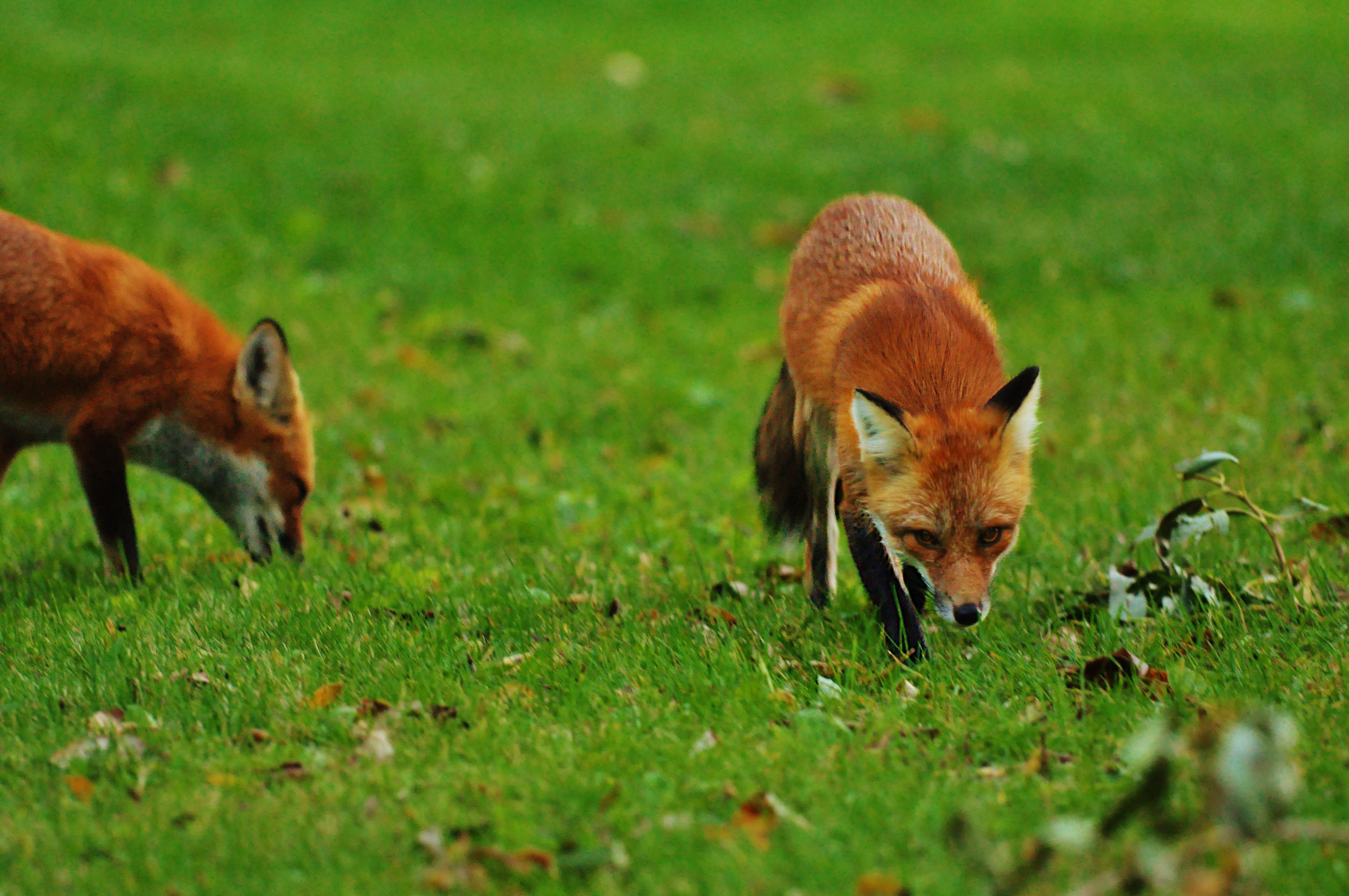
- Also known as
- red fox (Vulpes vulpes), urban fox
- Easily confused with
- dogs (in tracks and digging), badgers (which are strictly protected)
- How serious
- Low: a nuisance rather than a danger, best managed by deterrence
How to identify foxes
Foxes are most active at dusk and night. Signs include droppings (dark, twisted and often left on prominent spots), a strong musky smell, digging in lawns and borders, raided bins, and trampled or flattened areas under shrubs used for shelter.
You may hear their calls at night, especially in winter, and see worn paths through hedges and fences. A den (earth) under a shed or decking is a sign of a resident family rather than a passing visitor.
How serious is it?
Low: a nuisance rather than a danger, best managed by deterrence
Foxes are mostly a nuisance rather than a danger. They can foul lawns, dig holes, scatter rubbish and disturb a garden, but attacks on people are very rare and they pose little direct threat.
There is no quick lethal fix and none is usually warranted: there is no legal poison for foxes, and humane deterrence is both the lawful and the practical approach. The aim is to make the garden uninviting, not to harm the animal.
How to fix it yourself
- Remove food sources: secure bins with locking lids, do not leave pet food or fallen bird food out, and avoid feeding foxes.
- Block access to shelter: close gaps under sheds and decking (after checking nothing is denning there, especially in spring), and clear dense undergrowth they shelter in.
- Use deterrents: proprietary scent repellents approved for the purpose, motion-activated lights or sprinklers, and removing the features that attract them. Effectiveness varies, so combine methods.
- Protect vulnerable pets (rabbits, guinea pigs, chickens) with secure, fox-proof housing, as this is where real harm can occur.
- Avoid anything that would harm the fox: there is no legal poison, and inhumane methods are unlawful.
When to call a professional
- A fox has denned under a building and you cannot resolve it humanely yourself, or fouling and digging persist despite deterrents.
- You want professional, humane deterrence and proofing rather than DIY measures.
Who to call
- A humane wildlife management or pest control firm that uses deterrence and exclusion, not poison.
- The RSPCA or a local wildlife rescue for advice on a sick, injured or trapped fox, or cubs in spring.
Frequently asked questions
How do I get rid of foxes in my garden?
Remove what draws them: secure bins, stop feeding, and clear food and shelter. Use deterrents such as approved scent repellents and motion-activated lights or sprinklers, and block access under sheds and decking. There is no legal poison for foxes, so humane deterrence is the lawful and practical route.
Are foxes dangerous?
Rarely. Foxes are mostly a nuisance, fouling lawns, digging and raiding bins, but attacks on people are very uncommon. The real risk is to small pets such as rabbits, guinea pigs and chickens, which should be kept in secure, fox-proof housing. Toward people, foxes are generally wary and avoidant.
Can I trap or kill a fox?
There is no legal poison for foxes, and any method used must be humane and lawful, so lethal control is rarely appropriate or justified for a garden nuisance. The recommended approach is humane deterrence: remove food and shelter and use repellents. For a sick or injured fox, contact the RSPCA or a wildlife rescue.
Sources
Editor, HomesAndHedge
Oliver Mackman is the editor of HomesAndHedge and is accountable for its editorial standards and sourcing. He ensures every claim is backed by a named source such as the Property Care Association, the RHS, the NHS or gov.uk, and that the site is clear about when a job needs a qualified professional.
Last reviewed: 24 September 2026