Drainage, surfaces and lawn
Waterlogged garden: why it happens and how to fix drainage
A waterlogged garden holds standing water or stays soggy because water cannot drain away, usually due to heavy clay soil, compaction, a high water table, or surface water with nowhere to go. The Royal Horticultural Society advises improving soil structure first, with added drainage such as a soakaway or French drain where the problem persists.
- Also known as
- poor garden drainage, standing water in the garden, soggy lawn
- Easily confused with
- a burst pipe or drain leak (a sudden, localised wet spot), a blocked soakaway
- How serious
- Low to moderate: rarely urgent, but persistent waterlogging needs drainage
How to identify waterlogged garden
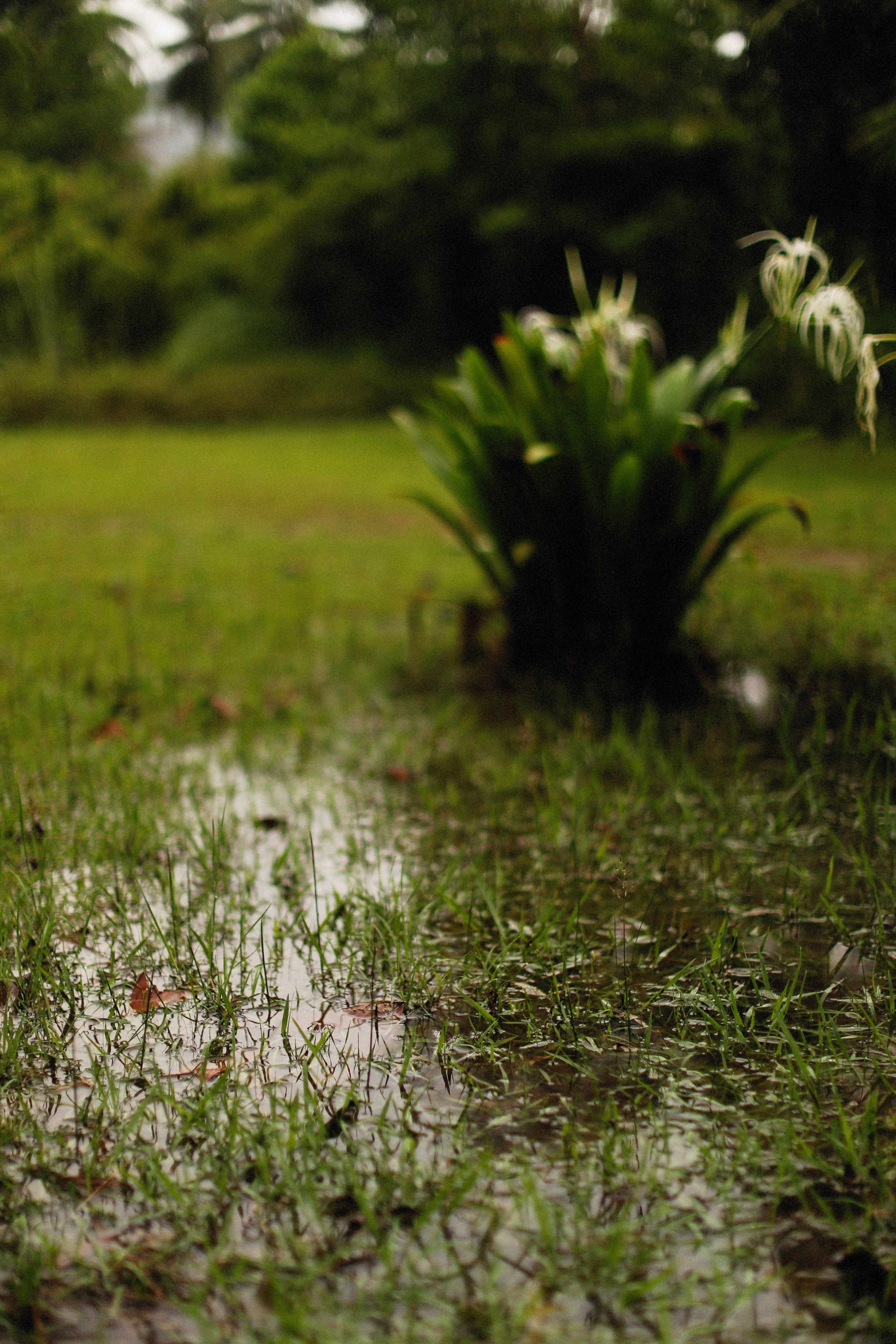
The signs are puddles that linger long after rain, ground that stays soft and squelches underfoot, moss spreading in the lawn, and plants that yellow or rot at the roots in the wettest spots.
Work out the cause: dig a small hole and fill it with water to see how fast it drains (very slow drainage points to clay or compaction), and note whether the whole garden or just low spots stay wet, which suggests where water collects.
How serious is it?
Low to moderate: rarely urgent, but persistent waterlogging needs drainage
A garden that is briefly wet after heavy rain is normal. Persistent waterlogging is more of a problem, drowning plant roots, killing lawns, and making the space unusable.
It is rarely an emergency but can be a sign of a wider drainage issue, and on some sites surface water management is governed by rules on where you may legally discharge it, so large schemes should be planned properly.
How to fix it yourself
- Improve the soil first, as the RHS recommends: add organic matter and grit to heavy clay over time to open up its structure and help it drain.
- Relieve compaction on lawns by aerating (spiking or hollow-tining) to let water through the surface.
- Direct surface water sensibly: ensure downpipes and surface drains are clear and not discharging onto the lawn.
- For a localised wet area, a soakaway (a stone-filled pit that lets water seep into the subsoil) or a French drain (a gravel-filled trench with a perforated pipe) can carry water away, where ground conditions suit.
- Choose plants that tolerate wet ground for the worst spots rather than fighting the conditions.
When to call a professional
- The whole garden stays waterlogged, soil improvement and aeration have not helped, or you need a large soakaway or land drainage scheme.
- You are unsure where surface water can legally and safely be discharged, or the water table is high.
Who to call
- A landscaper or garden drainage specialist for soakaways, French drains and land drainage design.
- A drainage engineer where ground conditions, the water table, or discharge rules make the job complex.
Frequently asked questions
Why is my garden always waterlogged?
Usually because water cannot drain away fast enough, most often due to heavy clay soil, compacted ground, a high water table, or surface water collecting in low spots. The RHS recommends improving soil structure first, then adding drainage such as a soakaway or French drain if waterlogging persists.
How do I improve drainage in a clay garden?
Add organic matter and grit to clay soil over several seasons to open up its structure, aerate compacted lawns, and keep surface drains clear. For stubborn wet areas, a soakaway or French drain carries water away. Heavy, persistent cases may need a landscaper to design proper land drainage.
What is a soakaway and do I need one?
A soakaway is a stone-filled pit that collects water and lets it seep slowly into the surrounding subsoil. It helps where a specific area floods and the subsoil can absorb water. It is less effective in heavy clay or where the water table is high, so the ground conditions decide whether it will work.
Sources
Editor, HomesAndHedge
Oliver Mackman is the editor of HomesAndHedge and is accountable for its editorial standards and sourcing. He ensures every claim is backed by a named source such as the Property Care Association, the RHS, the NHS or gov.uk, and that the site is clear about when a job needs a qualified professional.
Last reviewed: 24 September 2026