DIY or professional
DIY or professional pest control: when to call someone
You can usually tackle minor, low-risk pests yourself, such as ants, fruit flies and the odd mouse, with shop-bought products used per the label. Call a professional for stinging-insect nests, rats, bed bugs, cockroaches, any large or recurring infestation, or where children, pets or food businesses raise the stakes.
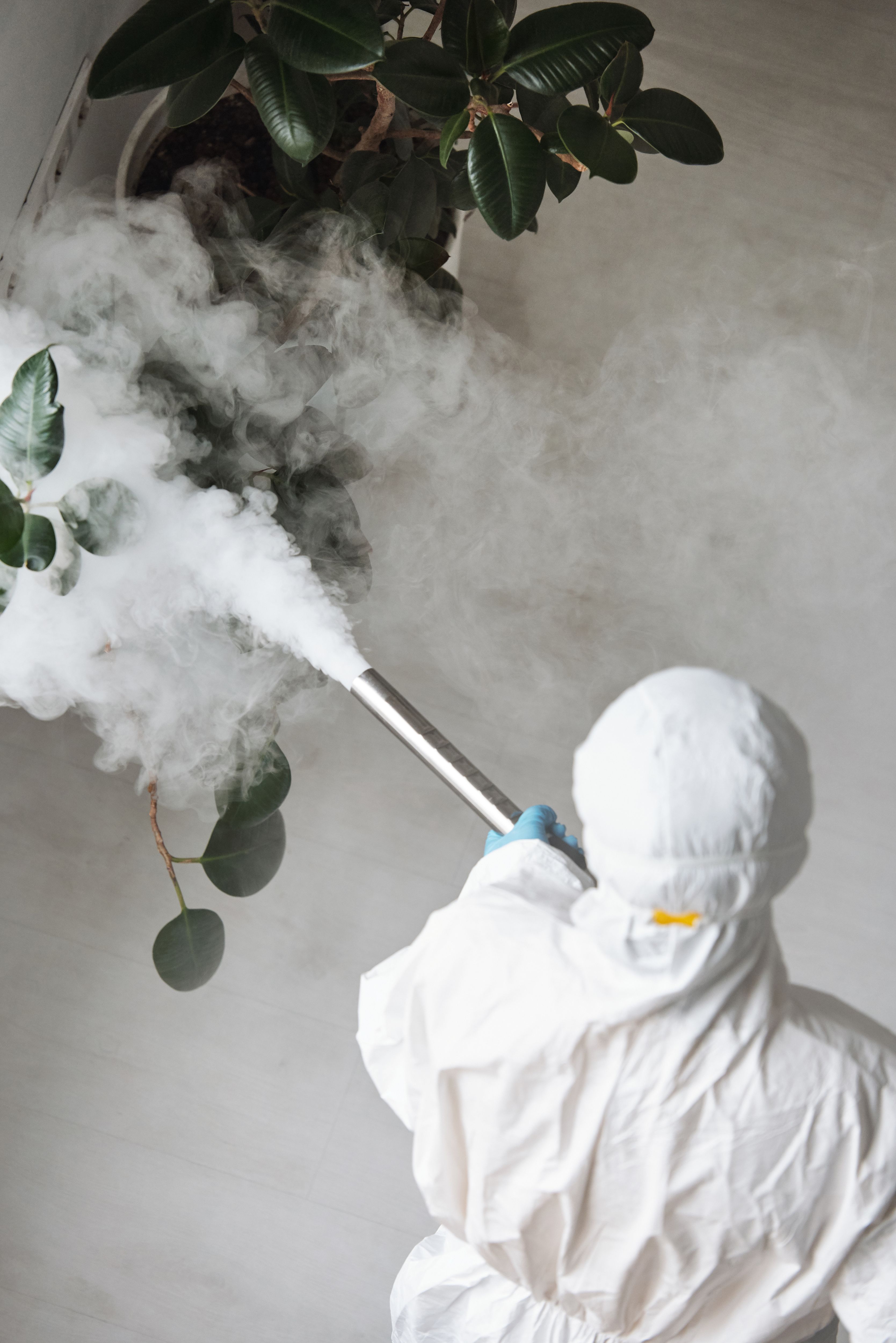
The right call depends on the pest, how bad the problem is, and the risk if you get it wrong. Some pests are a nuisance you can manage; others spread, bite, sting or carry disease and are better left to someone with the right products and training.
A useful rule of thumb: if the treatment is hazardous, the infestation is large or recurring, or the pest poses a health risk, the cost of a professional is usually worth it.
When doing it yourself is fine
- Minor, low-risk pests such as ants, fruit flies, silverfish and the occasional mouse, treated with shop-bought products used strictly per the label.
- A small, early problem you have clearly identified and can reach safely.
- Prevention and proofing: sealing gaps, removing food sources and improving hygiene, which often solves the problem without treatment.
- Clothes moths and carpet beetle caught early, managed by deep cleaning, freezing items and monitoring.
When to call a professional
- Stinging insects: a wasp or hornet nest, especially at height, where DIY treatment risks multiple stings.
- Rats, a sizeable mouse infestation, cockroaches or bed bugs, which are hard to clear and tend to return without thorough treatment.
- Any large, spreading or recurring infestation, or one in structural timber or cavities you cannot reach.
- Where a vulnerable person, pets or a food business is involved, or where rodenticides would otherwise be used near children or wildlife.
Whichever route you choose, always follow product labels, keep treatments away from children and pets, and never use a poison against a protected species. A professional should hold British Pest Control Association (BPCA) or similar membership.
Frequently asked questions
Which pests can I treat myself?
Minor, low-risk pests such as ants, fruit flies, silverfish and the odd mouse are usually manageable with shop-bought products used per the label, plus good hygiene and proofing. Catching a problem early makes DIY far more likely to work than tackling an established infestation.
When should I always call a professional?
For wasp or hornet nests, rats, bed bugs, cockroaches and any large, spreading or recurring infestation. Also call one where a vulnerable person, pets or a food business is involved. These either pose a real risk or are hard to clear without proper treatment, so professional help usually pays off.
Is DIY pest control safe?
It can be for low-risk pests if you follow the product label exactly and keep treatments away from children, pets and food. It is not worth the risk for stinging-insect nests at height or for treatments near vulnerable people, where a trained professional is safer and more effective.
Does a professional guarantee the pest is gone?
A reputable firm should explain what is included, how many visits, and what happens if the problem persists. For pests like bed bugs and rodents that often need follow-up, ask about return visits and any guarantee before you book, and confirm the firm holds recognised trade membership.
Sources
Editor, HomesAndHedge
Oliver Mackman is the editor of HomesAndHedge and is accountable for its editorial standards and sourcing. He ensures every claim is backed by a named source such as the Property Care Association, the RHS, the NHS or gov.uk, and that the site is clear about when a job needs a qualified professional.
Last reviewed: 23 September 2026