DIY or professional
Can I treat damp myself, or do I need a specialist?
Most household damp is condensation, which you can usually tackle yourself through ventilation, even heating and cutting indoor moisture, and you can clean small areas of mould safely. Get an independent specialist for suspected rising damp, penetrating damp from an unclear source, dry rot, or any structural damp, because misdiagnosis is costly.
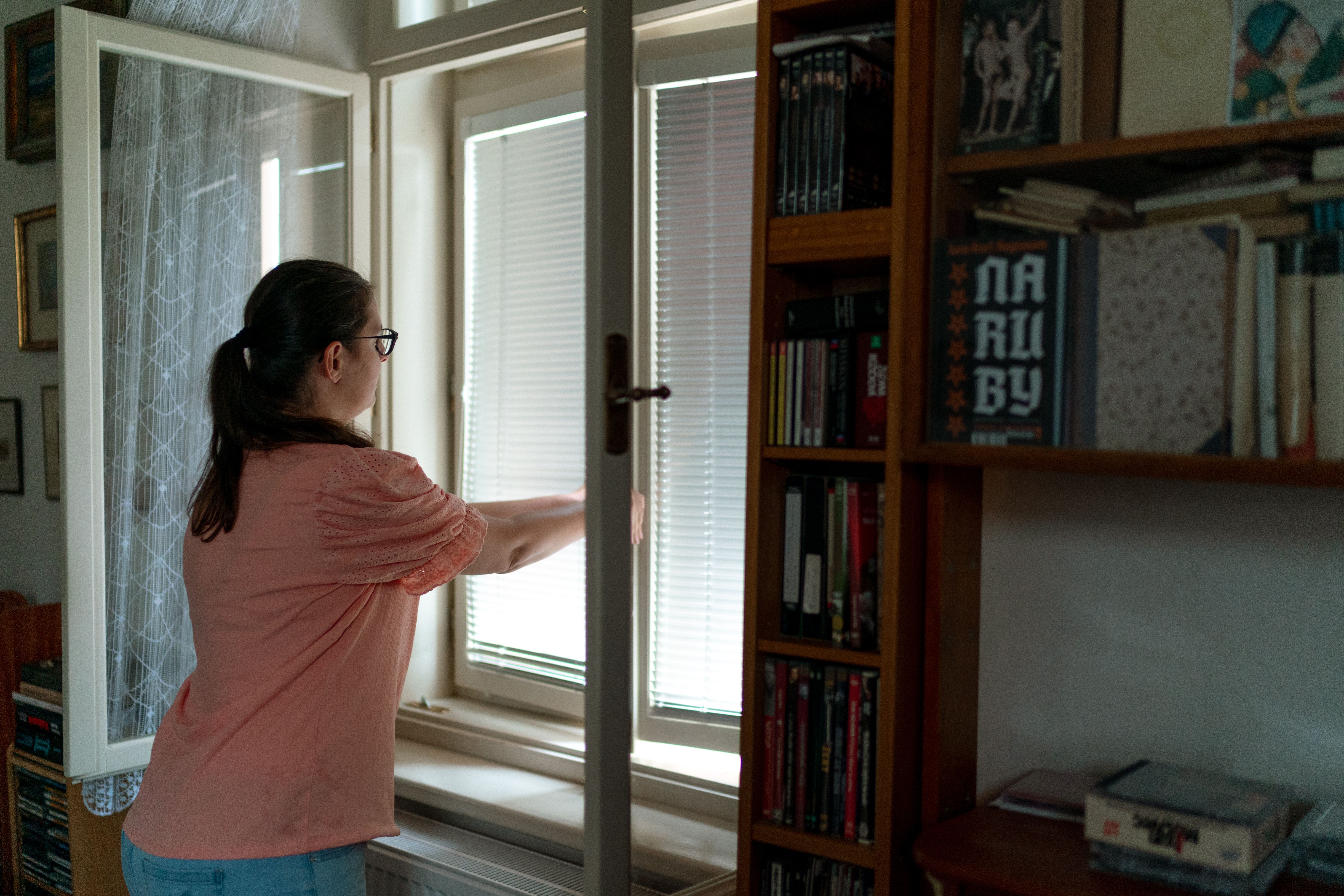
The encouraging news is that the most common UK damp, condensation, is also the most DIY-friendly, because the fix is about how a home is ventilated, heated and used rather than building work.
The risk is misdiagnosis. The Property Care Association warns that damp is often mislabelled, and that many free surveys are done by firms that also sell the treatment, so for anything costly an independent opinion comes first.
When doing it yourself is fine
- Condensation: improve ventilation, heat the home more evenly, dry washing outdoors and keep furniture off external walls.
- Small areas of mould on hard surfaces, cleaned with a mould remover while wearing gloves and ventilating the room.
- Obvious external causes of damp you can safely reach: clearing a blocked gutter, fixing a cracked downpipe, or lowering soil piled above the damp proof course.
- Wiping window condensation each morning while you change ventilation and heating habits.
When to call a professional
- Suspected rising damp: a ground-floor tide mark and salting that remains after you have ruled out leaks and a bridged damp proof course.
- Penetrating damp where you cannot find or safely reach the source.
- Dry rot or wet rot in structural timber, or any sign of subsidence such as wide, growing diagonal cracks.
- Mould that is extensive, keeps returning, or affects someone with asthma or a respiratory or immune condition.
For anything you might pay to treat, get an independent diagnosis, ideally from a surveyor who will not carry out the work. Never agree to injection damp proofing or replastering before the cause is confirmed.
Frequently asked questions
Can I fix damp in my house myself?
Often yes, if it is condensation, which is the most common UK damp. Better ventilation, even heating and cutting indoor moisture usually control it, and you can clean small areas of mould safely. Rising damp, rot and structural damp need a professional diagnosis before any treatment.
How do I know if my damp needs a specialist?
If it is a ground-floor tide mark, persistent penetrating damp from an unclear source, rot in structural timber, signs of subsidence, or mould that is extensive or affects a vulnerable person, get a specialist. Simple winter condensation and small patches of mould usually do not.
Should I pay for a damp survey before treating?
For anything costly, yes, and ideally from someone independent. The Property Care Association notes that many free damp surveys are carried out by firms that also sell the work, so an independent diagnosis protects you from paying for treatment, such as a damp proof course, that you may not need.
Sources
Editor, HomesAndHedge
Oliver Mackman is the editor of HomesAndHedge and is accountable for its editorial standards and sourcing. He ensures every claim is backed by a named source such as the Property Care Association, the RHS, the NHS or gov.uk, and that the site is clear about when a job needs a qualified professional.
Last reviewed: 23 September 2026